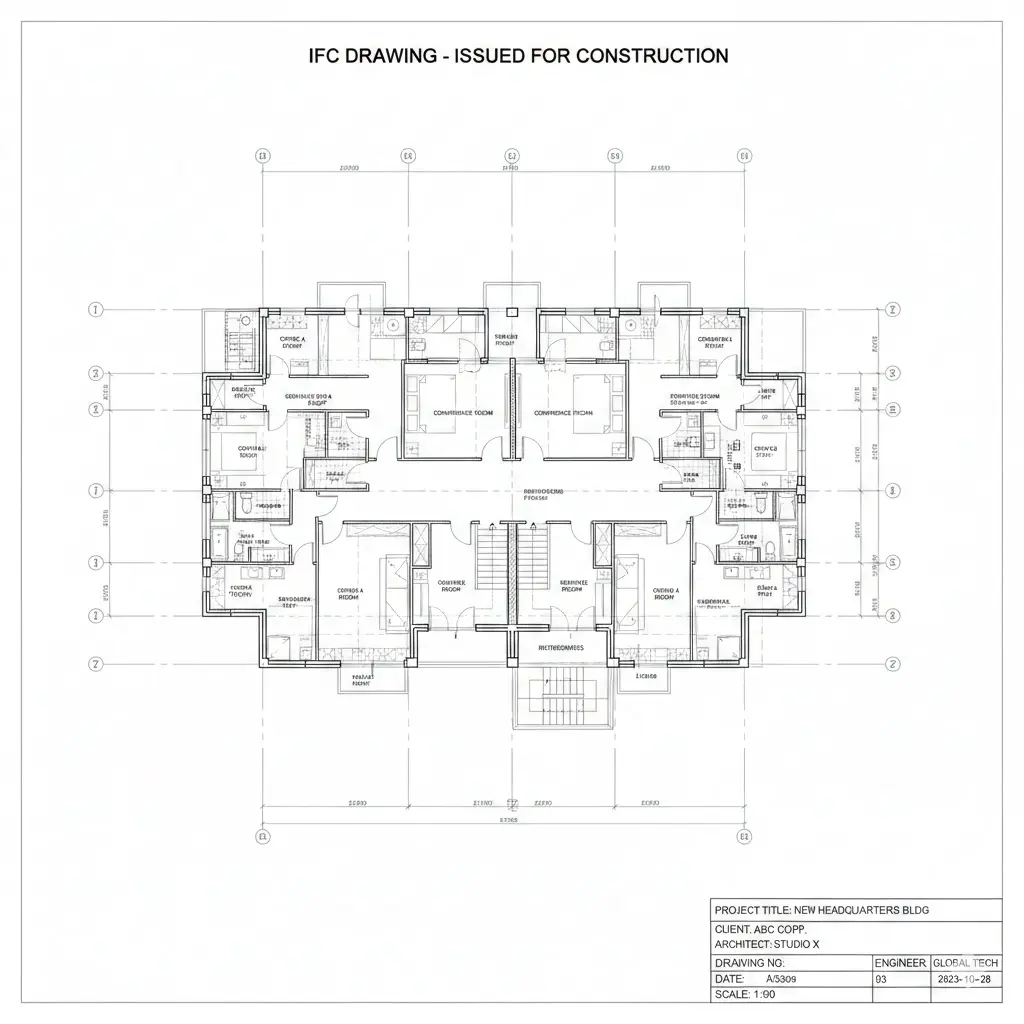
Walk into any house, and something jumps out at you right away: every room has its own purpose. Some spaces pull people together. Others give you a spot to escape and be alone. Then there are those rooms that just make life run smoother. But honestly, most of us never really stop to wonder why homes are set up like this in the first place.
Whether you’re building, buying, renovating, or just trying to make sense of floor plans, it helps to know the different types of rooms, what they’re called, and what they’re for. It makes planning easier, keeps you from wasting space, and helps you pick rooms that actually fit your life.
This guide lays it all out, what each room does, how they’re grouped, and how modern homes are mixing things up.
To make sense of how these room types are planned and organized, it helps to understand the basics of architectural drafting.
Common Rooms in a House and Their Uses
Let’s take a step back for a second. Every house is basically a mix of 3 main types of rooms. You’ve got your living areas, places where people hang out, watch TV, or just spend time together. Then there are the private spaces, like bedrooms, where you go to rest or get some time alone. And finally, the service rooms, think kitchens, laundry rooms, maybe a garage, the spots that keep daily life running smoothly.
Sure, these roles sometimes overlap, especially in newer homes, but each room really does have its own job. Once you get how this all fits together, it’s way easier to look at a floor plan, figure out what works for you, and skip the stuff you don’t need.
What Are Rooms in a House?
A room, at its core, is just a space inside a building meant for something specific. Sometimes it’s walled off, sometimes it’s just a clever arrangement of furniture that carves out a little area, especially in newer homes.
But really, rooms are more than just physical spaces. They’re meant to serve a purpose. Take a bedroom. It’s not just a box with a door—it’s a spot for rest, privacy, and recharging. Same with a kitchen. It’s not just a bunch of cabinets and gadgets sitting around. It’s where things get done, where people move around, stay safe, and try to make life a bit easier.
Rooms vs Spaces vs Open Areas
This is where many people get confused.
- Rooms are clearly defined areas with a primary purpose.
- Spaces are flexible areas that may serve more than one function.
- Open areas connect multiple activities without full separation.
Take an open-plan living and dining area. Sure, it’s all one big space, but it still works as two separate zones. Knowing this makes a real difference when you’re figuring out layouts or looking at floor plans.
Understand How Rooms Support Daily Life!
Every room in a house supports a basic human need:
- Comfort
- Privacy
- Function
- Connection
Private rooms protect personal space. Common areas encourage interaction. Utility rooms keep the house running smoothly behind the scenes. When these are balanced well, a home feels natural and easy to live in. When they aren’t, even a large house can feel awkward or uncomfortable.
Traditional vs Modern Room Concepts
Traditional homes favored clearly separated rooms. Each activity had its own space, often behind closed doors. Modern homes lean toward flexibility:
- Fewer walls
- Multi-purpose rooms
- Open layouts
Neither approach is better by default. The right choice depends on lifestyle, family size, culture, and personal habits.
Most modern floor plans are created and shared using CAD files that clearly define room boundaries and functions.
Main Types of Rooms in a House
To understand how houses are organized, designers group rooms by how they’re used, not just by name. This structure shows up again and again in well-designed homes.

● Living and Common Areas
These are the most public rooms in a house. They’re designed for:
- Gathering
- Entertaining
- Relaxing together
Living rooms, family rooms, and dining rooms fall into this category. They’re usually placed near the entrance or central areas of the house for easy access.
● Private Rooms
Private rooms are meant for individual use and quiet activities. Bedrooms are the obvious example, but guest rooms and children’s rooms also belong here. These rooms are often placed away from noise and high-traffic areas to ensure privacy and comfort.
● Service and Utility Rooms
Then you’ve got the rooms that keep everything running—kitchens, bathrooms, laundry rooms, storage. People don’t always focus on them, but if you don’t plan these spaces well, daily life gets annoying fast. Good utility spaces, though, save time, cut down on clutter, and just make the whole house work smoother.
● Lifestyle-Based Room Grouping
Modern homes increasingly group rooms based on how people live. Work-from-home spaces, prayer rooms, playrooms, and home gyms exist because lifestyles have changed and houses have adapted. This shift is one of the biggest reasons understanding room types matters more today than ever before.
Names of Rooms in a House
This is the section most people come for: the actual names of rooms in a house, explained in a way that makes sense in real life. Not dictionary definitions. Not design-school talk. Just what these rooms are, how they’re used, and when they matter.
Living and Common Areas
These rooms shape how a house feels the moment you walk in. They’re where daily life unfolds in front of others.
Living Room
The living room is traditionally the main gathering space of a house. It’s where guests are welcomed and where households relax together in a more presentable setting.
In many homes, the living room:
- Plans near the entrance
- Sets the tone for the rest of the house
- Balances comfort with appearance
Modern living rooms are often less formal than they used to be. In smaller homes, the living room may double as the main social and relaxation area.
Family Room
The family room is the casual sibling of the living room.
This is where:
- Kids spread out
- TVs set
- Furniture prioritizes comfort over looks.
Family rooms are built for real life, lounging, movie nights, or just unwinding after a long day. You usually find them further inside the house, often next to the kitchen or dining area. Honestly, in a lot of newer homes, the family room takes over the spot where a formal living room used to be.
Dining Room
They’re all about gathering for meals. In older houses, the dining room is its own room, mostly saved for special occasions or big family dinners. But these days, dining spaces tend to be open, flowing right out from the kitchen or main living area.
Formal Living Room
A formal living room is designed primarily for guests and special occasions. It’s usually:
- Less frequently used
- More structured in layout
- Separate from daily family activity
In today’s homes, formal living rooms are becoming less common. Many homeowners choose to skip them entirely in favor of spaces they’ll actually use every day.
Living Room vs Family Room vs Formal Living Room
This is where confusion usually kicks in. Here’s the simple breakdown:
- The living room is used for general-purpose gatherings.
- The family room is a casual, everyday relaxation area.
- And the formal living room is guest-focused and rarely used.
You don’t need all three. In fact, most homes function better with one well-designed shared space rather than multiple underused rooms. Choosing the right one depends on lifestyle and not tradition.
Private Rooms
Private rooms are about retreat and personal space. These rooms don’t need to impress anyone; they need to work for the people using them.
Bedroom
A bedroom is a personal space meant for rest and privacy. Beyond sleeping, bedrooms often support:
- Relaxation
- Storage
- Quiet activities
Comfort, ventilation, and noise control matter more here than design trends.
Master Bedroom
Often called the primary bedroom, this is the main bedroom in the house. The goal is separation, which means not luxury, but privacy. It’s usually larger and more private than other bedrooms.
Common features include:
- Attached
- Walk-in closet
- Placement away from high-traffic areas
Guest Room
A guest room is designed for short-term stays. In many homes, it also serves a secondary purpose, such as:
- Home office
- Study
- Storage space
The best guest rooms are flexible. A room that sits empty most of the year should earn its place.
Children’s Room
Children’s rooms change more than any other space in a house. What starts as a nursery may later become a study space or teenage bedroom.
Nice children’s rooms:
- Allow flexibility
- Consider safety
- Adapt as needs change.
Master Bedroom vs Guest Room vs Children’s Room
Bedrooms aren’t interchangeable, even if they look similar on paper.
- The primary bedroom focuses on privacy and comfort.
- The guest room prioritizes flexibility.
- And the children’s room
Understanding these roles helps avoid layout mistakes, especially in smaller homes.
Service and Utility Rooms
These rooms don’t get much attention, but they quietly determine how smooth daily life feels.
Kitchen
The kitchen really runs the show in any house. It’s where you cook, clean, stash your groceries, and just move around a lot. These days, kitchens usually spill right into the living or dining room, especially if you’re dealing with an open floor plan. Open or not, the best kitchens just work; they’re easy to move through, have plenty of fresh air, and everything’s got a place.
Bathroom
Bathrooms come in several types:
- Full bathrooms
- Half bathrooms
- Shared bathrooms
- Ensuite bathrooms
Placement matters more than size. A poorly placed bathroom can disrupt flow and privacy.
Laundry Room
Laundry spaces range from full rooms to compact corners. Dedicated laundry rooms reduce noise and clutter, while smaller homes often integrate laundry into kitchens or bathrooms.
Storage Room
Storage rooms prevent clutter from spreading into living areas. Some homes rely on built-in storage, while others include separate storage rooms. Either way, insufficient storage shows up fast.
Utility Spaces Often Overlooked
Many functional spaces don’t get labeled as rooms, but they still matter:
- Pantry
- Mudroom
- Linen closet
- Mechanical or utility room
Ignoring these often leads to messy living spaces later.
Bathroom placement and privacy are clearly defined in building plans to ensure proper circulation and usability.
Additional Rooms in Modern Houses Today
Homes don’t look the way they did 20 years ago because life doesn’t work the same way anymore. New habits create new room needs, and modern houses reflect that shift.
These rooms aren’t mandatory, but when they fit the lifestyle, they dramatically improve how a house functions.
Study Room / Home Office
The study room used to be a quiet corner for reading. Today, it’s often a full-time home office. A good study or office space:
- Minimizes noise
- Has natural light
- Allows mental separation from living areas
Even small homes benefit from a defined work zone. When work spills into bedrooms or living rooms, stress tends to follow.
Playroom
A playroom gives children a space that’s theirs and keeps toys from taking over the rest of the house.
Well-planned playrooms:
- Encourage creativity
- Reduce clutter in common areas.
- Can later convert into study or guest spaces
- Flexibility is key here.
Prayer Room
In many cultures, a prayer room is more than a convenience; it’s essential.
Prayer rooms are usually:
- Quiet
- Simple in layout
- Placed away from high-traffic zones
Even a small dedicated space can offer focus and calm that shared areas can’t.
Home Gym
Home gyms became popular when people realized consistency matters more than equipment.
A basic home gym needs:
- Ventilation
- Durable flooring
- Enough clearance for movement
For smaller homes, even a multi-use workout corner can work.
Media Room and Entertainment Spaces
Media rooms are all about getting lost in what you’re watching and hearing. They aren’t like regular living rooms; they focus on sound, lighting, and making everyone comfortable. Sure, not every family wants one, but if you love hanging out together for movies or games, adding a media room really pays off.
Rooms in a House and Their Functions
A room should match what you actually do in it. When it doesn’t, something just feels off, even if you’ve filled it with fancy furniture.

● Matching Room Design to Daily Activities
Each room should answer a simple question: What happens here most of the time?
When design choices follow that answer, rooms work better. When they ignore it, frustration shows up quickly.
Single-Purpose vs Multi-Functional Rooms
Traditional homes favored one room, one function. Modern homes often combine uses:
- Guest room + office
- Dining area + workspace
- Playroom + study
Multi-functional rooms save space, but only when boundaries are clear. Without structure, they become clutter zones.
How Room Function Affects Layout Flow
Good flow means:
- Minimal backtracking
- Logical connections between related rooms
- And a clear separation between noisy and quiet areas
For example, kitchens naturally connect to dining areas. Bedrooms benefit from distance from living rooms. These relationships matter more than square footage.
Privacy Levels Across Different Rooms
Not all rooms need the same level of privacy.
- High privacy: Bedrooms, bathrooms, prayer rooms
- Medium privacy: Home offices, guest rooms
- Low privacy: Living rooms, dining areas
Understanding this hierarchy helps prevent layout mistakes.
Room Sizing Basics
Room size doesn’t determine comfort on its own, but proportion does.
Minimum Size Guidelines for Common Rooms
While sizes vary by region, most comfortable rooms meet basic movement and furniture requirements. Cramped rooms feel restrictive; oversized rooms feel empty without purpose. The goal isn’t bigger; however, it’s better proportioned.
Ideal Room Proportions for Comfort
Square or near-rectangular rooms are easier to furnish and use. Long, narrow rooms often struggle with flow and lighting unless designed carefully.
Small-House Space Optimization Tips
In smaller homes:
- Storage matters more than extra rooms.
- Sliding doors save space.
- Multi-use rooms outperform rarely used ones.
Good planning beats extra square footage every time.
Minimum room dimensions and clearances are typically established and verified through construction documents before building begins.
Common Space-Planning Mistakes
- Prioritizing size over function
- Ignoring furniture placement
- Forgetting the circulation space
These mistakes show up after move-in, when it’s too late to fix them easily.
How Many Rooms Are in a Typical House?
There’s no universal answer, but patterns exist.
● Small Homes and Apartments
Small homes focus on essentials:
- One or two bedrooms
- One shared living space.
- Minimal utility rooms
Efficiency matters more than variety in small homes and apartments.
● Medium-Sized Family Homes
These homes balance:
- Shared living areas
- Multiple bedrooms
- Dedicated utility spaces
This is the most common house type globally.
● Large and Luxury Homes
Larger homes often include:
- Multiple living areas
- Guest suites
- Specialized rooms
In these homes, the challenge isn’t space; it’s keeping rooms useful.
How Culture and Region Influence Room Count
Cultural habits shape layouts. Some regions prioritize guest spaces. Others emphasize family gathering rooms or prayer areas.
Modern Trends: Fewer Rooms, Smarter Spaces
Many modern homes reduce the number of rooms but improve flexibility. Fewer walls, better flow, and adaptable spaces are becoming the norm.
Modern vs Traditional House Rooms
Homes have always reflected how people live. When lifestyles change, room design follows.
Rooms Common in Traditional Homes
Traditional houses were built around a clear separation. Each activity had its own room, often behind a door.
Common traditional rooms included:
- Formal living rooms
- Separate dining rooms
- Clearly divided kitchens
- Distinct guest areas
These layouts emphasized privacy and structure, especially in larger households or multi-generational homes.
Rooms Emerging in Modern Houses
Modern homes favor adaptability.
Newer layouts often include:
- Open living and dining spaces.
- Home offices
- Multi-purpose rooms
- Flexible guest spaces
Today, the focus has shifted from formality to function.
Rooms That Are Disappearing or Merging
Some rooms are becoming less common:
- Formal living rooms
- Separate breakfast rooms
- Excessive guest spaces
They haven’t vanished completely; however, they’ve simply merged into more usable spaces.
How Lifestyles Are Reshaping Home Layouts
Remote work, smaller households, and changing family dynamics all influence room planning today. The best homes aren’t defined by how many rooms they have, but by how well those rooms support real life.
Rooms in a House Layout and Floor Planning
Knowing room names is helpful. Knowing how rooms should connect is where planning gets serious.
How Rooms Are Arranged in a Floor Plan
Good floor plans group related rooms together:
- Kitchens near dining areas
- Bedrooms away from noisy spaces
- Utility rooms are placed for easy access.
This reduces wasted movement and improves daily flow.
Open Floor Plans vs Closed Layouts
Open plans feel spacious and social but offer less privacy. Closed layouts provide separation and noise control but can feel restrictive. There’s no universal winner. The right choice depends on lifestyle, family size, and habits.
Zoning Rooms for Noise, Privacy, and Light
Zoning means placing rooms intentionally:
- Quiet zones for rest and work
- Active zones for living and entertaining
Natural light, ventilation, and orientation should guide room placement, and not just aesthetics.
Zoning decisions are refined using BIM to coordinate daylight, ventilation, and room relationships more accurately.
How Room Placement Affects Energy and Comfort
Well-placed rooms stay cooler, brighter, and more comfortable. Poor placement increases energy use and discomfort. Layout decisions have long-term consequences.

How Rooms Are Labeled on Floor Plans
Floor plans turn ideas into instructions. Clear labeling makes them usable.
Common Room Abbreviations
On drawings, rooms are often shortened:
- BR for bedroom
- LR for living room
- KIT for kitchen
- BATH or WC for bathrooms
Understanding these labels helps homeowners read plans confidently.
Symbols Used for Different Rooms
Symbols show doors, windows, fixtures, and circulation paths. They help visualize how rooms function before anything is built.
Best Practices for Naming Rooms on Plans
Room names should match their actual use. Mislabeling spaces leads to confusion during construction, approvals, and future modifications.
How to Choose the Right Rooms for Your House
More rooms don’t mean a better house. Better decisions do.
Factors to Consider Before Finalizing Room Types
- Family size and daily
- Work-from-home needs
- Budget and available space
- Future changes and resale value
Must-Have Rooms vs Optional Rooms
Must-have rooms support daily life. Optional rooms support preferences. Confusing the two leads to wasted space.
Design Rooms for Long-Term Flexibility
The best rooms adapt over time. A guest room becomes an office. A playroom becomes a study. Flexible design saves money later.
Common Mistakes When Planning Rooms
Even well-intentioned plans go wrong.
- Adding Rooms You Rarely Use: Unused rooms don’t add value, but they add maintenance.
- Poor Room Flow and Connectivity: Awkward circulation wastes time and space.
- Ignoring Storage and Utility Needs: Lack of storage shows up as clutter, no matter how big the house is.
- Overlooking Light, Ventilation, and Acoustics: Comfort isn’t optional. These basics matter more than finishes.
Plan smarter, not bigger. Choose rooms that truly support your lifestyle today and adapt to your needs tomorrow.
Conclusion
Understanding the types, names, and functions of rooms in a house goes far beyond terminology. It shapes how comfortably you live, how efficiently your home works, and how well it adapts to change. A well-planned house doesn’t need more rooms. It needs the right rooms, placed correctly, sized properly, and designed with purpose.
How CAD Drafting Services Support Better Room Planning
This is where ideas turn into reality. No matter how well you understand room types and layouts, everything ultimately comes down to accurate drawings. CAD drafting services translate concepts into clear, build-ready plans that show exactly how rooms connect, function, and fit together.
Professional CAD drafting helps by:
- Turning room lists into precise floor plans
- Accurately labeling room names and functions.
- Optimizing space usage and room flow
- Avoiding costly layout mistakes before construction
- Supporting permits, approvals, and revisions
Whether you’re designing a new house, renovating an existing one, or reworking a layout to fit modern needs, CAD drafting ensures your rooms aren’t just well-named, they’re well-designed.
When room planning is done right on paper, everything that follows becomes easier, smoother, and far more predictable.
FAQs
How can I draw a floor plan of the rooms in a house?
By identifying room functions first, then arranging them logically with accurate measurements and clear labels.
How do I decide on a layout for different rooms in a house?
Start with daily routines, privacy needs, and movement patterns before focusing on aesthetics.
How do I mark the names of rooms in a house on a floor plan?
Room names are labeled clearly within each space using standard drafting conventions.
What rooms are essential in a modern home?
Bedrooms, bathrooms, a shared living space, a kitchen, and flexible work areas.
Can one room serve multiple functions?
Yes, when designed intentionally and supported by a clear layout.